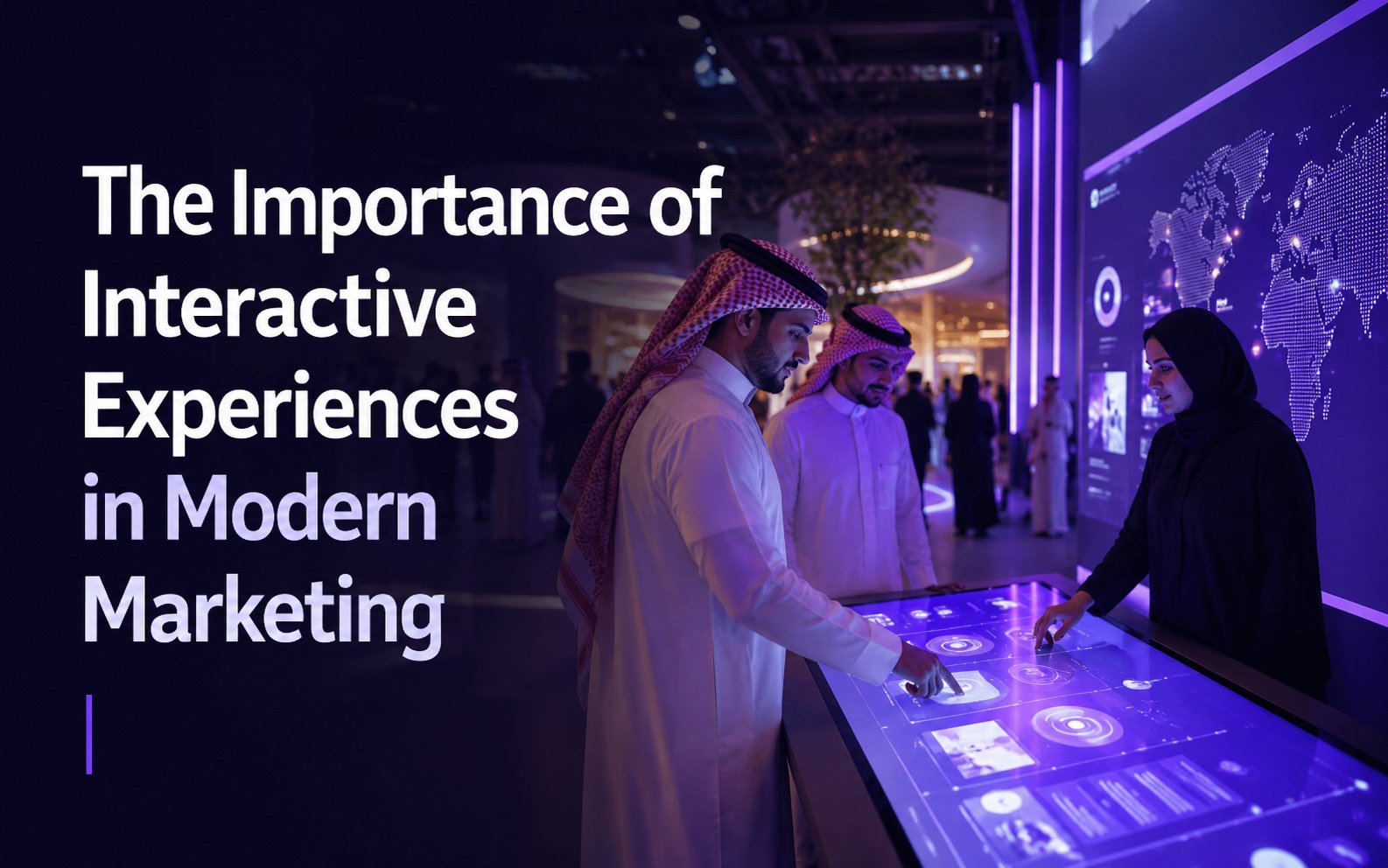
In a world crowded with advertisements and repetitive content, it is no longer enough for audiences to simply see your brand. What matters more today is that they experience it in a way they can remember. This is where the importance of interactive experiences in modern marketing becomes clear, as they move customers from passive viewing to active participation. In the Saudi market, where audiences strongly engage with events, live experiences, visual content, and new technologies, interactive experiences have become an essential tool for building trust, increasing brand awareness, and improving the chances of converting audiences into real customers.
What Are Interactive Experiences in Marketing?
Interactive experiences in marketing are activities, content formats, or campaigns that encourage audiences to participate instead of simply watching. These experiences may include live events, digital games, short quizzes, product trials, social media polls, augmented reality filters, interactive exhibitions, or in-store experiences. The core idea is to make the customer feel like part of the event, not just a receiver of an advertising message. The more the audience participates, the stronger the emotional and mental connection becomes between them and the brand.
Why Have Interactive Experiences Become Important in Modern Marketing?
Interactive marketing has become increasingly important because audiences today have less patience for traditional ads and are more drawn to experiences that offer value, enjoyment, or participation. A regular ad may be forgotten within seconds, while a good experience can stay in the customer’s memory and encourage them to talk about it or share it with others. In Saudi Arabia, where sectors such as entertainment, events, e-commerce, restaurants, retail, and digital services are growing rapidly, interactive experiences help companies stand out in a competitive market and create a stronger presence than a sponsored ad alone.
Interactive Experiences Build Stronger Audience Relationships
One of the key reasons interactive experiences succeed is that they make the relationship between the customer and the brand feel more human. When customers try a product, take part in a competition, answer a quiz, or interact with live content, they feel closer to the brand. This participation creates a level of trust that traditional advertising alone cannot achieve. That is why smart companies rely on experiential marketing to build a gradual relationship with their audience — starting with curiosity, then interaction, then trust, and finally a purchase decision or direct contact.
How Do Interactive Experiences Help Increase Sales?
Interactive experiences are not designed for entertainment only; they can also become a direct part of the sales journey. When a company allows customers to try a service, see a result, or personalize their own choice, it reduces hesitation and increases the likelihood of purchase. For example, an e-commerce store can use a quiz to recommend the most suitable product, a beauty brand can offer a virtual try-on experience, and a service company can organize an interactive workshop that ends with a relevant offer for attendees. In this way, interaction becomes a natural entry point to sales without putting direct pressure on the customer.
The Role of Social Media in Spreading Interactive Experiences
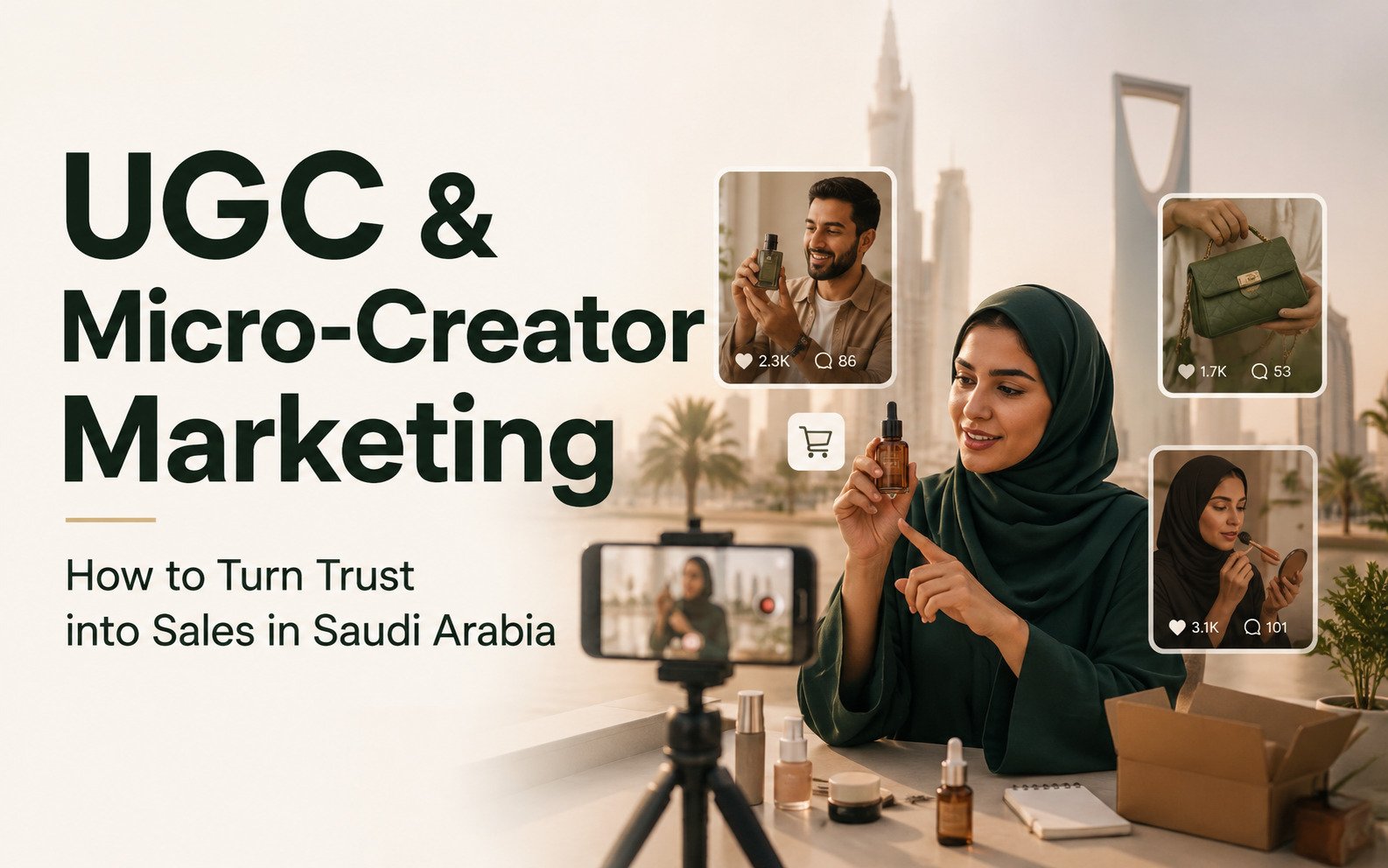
Social media platforms have made interactive experiences more powerful and easier to spread. Polls, questions, live streams, challenges, filters, Reels, and competitions are all tools that help audiences participate and share the experience. In the Saudi market, platforms such as Instagram, TikTok, Snapchat, LinkedIn, and X play a major role in expanding the impact of interactive campaigns. Any experience designed to be photographed and shared can turn into content distributed by the audience itself, giving the brand stronger reach and higher credibility.
Examples of Interactive Experiences Suitable for Companies in Saudi Arabia
Companies in Saudi Arabia can use many interactive ideas depending on their business type. Restaurants can launch live tasting experiences or flavour-selection challenges. Real estate companies can offer virtual tours or interactive project exhibitions. Technology companies can organize live demos for apps and digital solutions. Marketing and professional service companies can offer workshops, assessment quizzes, or live analysis sessions. The most important point is that the experience must be connected to a clear goal: attracting the audience, collecting potential customer data, increasing engagement, or making the purchase decision easier.
Interactive Experiences and Visibility in AI Search Engines
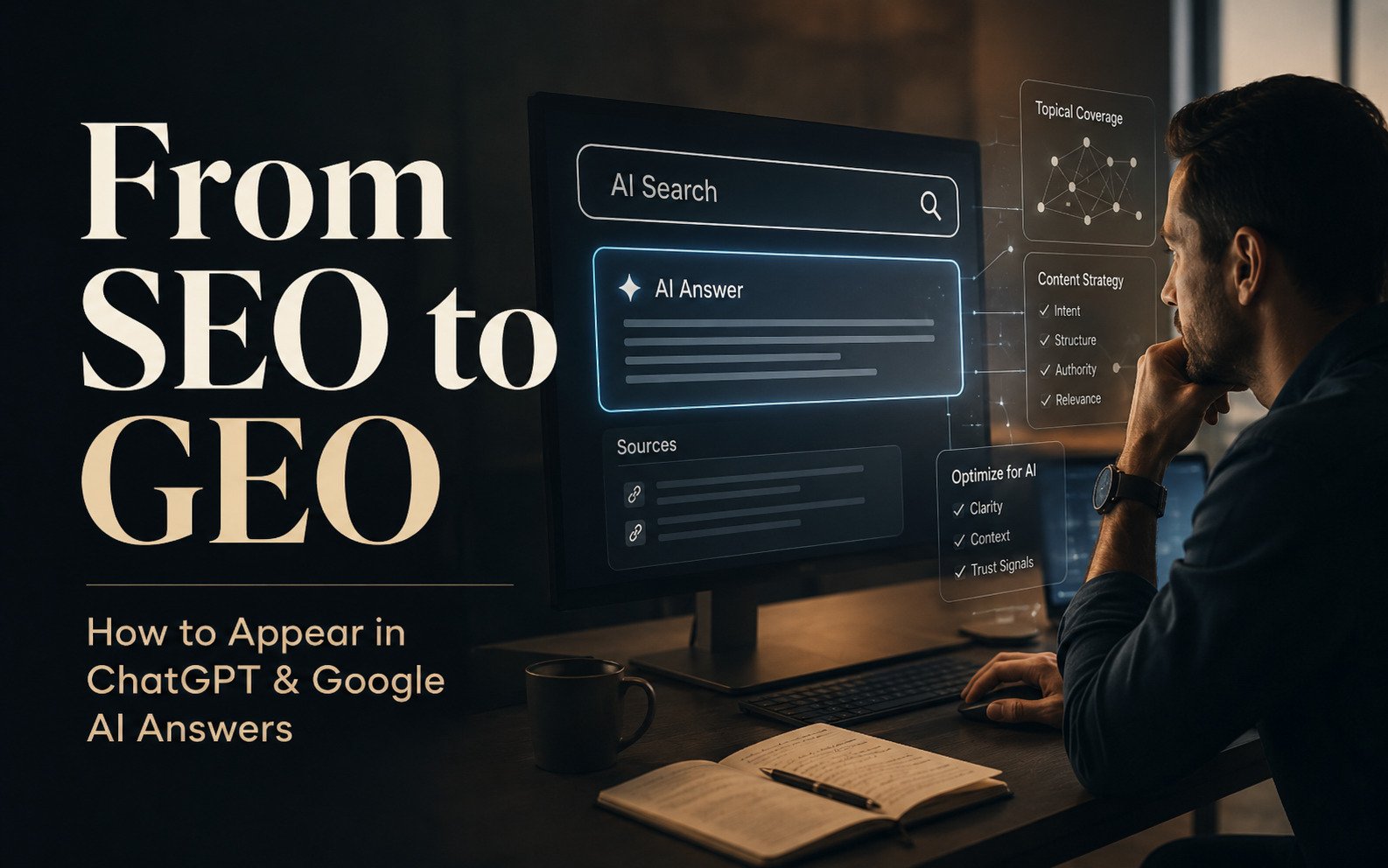
With the development of AI-powered search tools and answer engines, optimizing content is no longer only about traditional keywords. Content that is more likely to appear in AI-generated results needs clear answers, direct definitions, practical examples, organized structure, and questions that audiences ask. Therefore, when companies write about interactive experiences in marketing, they should provide simple explanations, specific benefits, use cases, and practical steps. This type of content increases eligibility for AI search visibility because it responds to user intent, not just keyword matching.
How to Design a Successful Interactive Experience
To build an effective interactive experience, start with the audience, not the idea. First ask: What interest customers? What problem do they want to solve? What type of participation suits them? Then define the marketing goal, choose the right channel, and design an experience that is simple, clear, and easy to share. Avoid making the experience too complicated or too long, because audiences prefer fast and direct interaction. There should also be a clear next step, such as registration, direct contact, product trial, website visit, or access to a special offer.
Measuring the Results of Interactive Marketing
The success of interactive experiences is not measured by likes alone, but by the results they generate. Performance can be measured through the number of participants, engagement rate, messages received, registrations, leads, sales, social media shares, or the time audiences spend within the experience. Analysis helps companies understand what attracted the audience and what needs improvement. In modern marketing, experiences are not always perfect from the first attempt. They require testing and continuous improvement until interactive ideas become a real growth tool.
Read Also: How to Choose the Right Marketing Agency: A Practical Guide for Businesses in Saudi Arabia
Conclusion: Modern Marketing Starts with Experience, Not Just Messaging
The importance of interactive experiences in modern marketing lies in their ability to make audiences live the brand instead of simply seeing it. They build trust, increase engagement, expand reach, and help turn interest into real customers. In the Saudi market, where audiences expect more innovative content and more relatable experiences, interactive experiences represent a strong opportunity for companies that want to stand out. A brand that creates a good experience does not only earn audience attention; it earns their memory and trust as well.
Do You Want an Interactive Experience That Makes Your Audience Remember Your Brand?
Modern marketing fails by being the loudest; it succeeds by creating the smartest experience. If you want your audience to participate, engage, and move from casual followers to potential customers, the Wolf Head team can help you design interactive campaigns and experiences tailored to the Saudi market, combining creativity, technology, and growth objectives.
Start with a different kind of experience and let Wolf Head turn your brand presence into a moment your audience interacts with and remembers.